Realistic browser fingerprints in a Chromium fork
A website may not know your name, but it recognises your browser perfectly well – from dozens of small traits that add up to a unique fingerprint. Agent-X gives every profile the fingerprint of a real computer, so each account looks like a separate person instead of one more tab in the same browser.
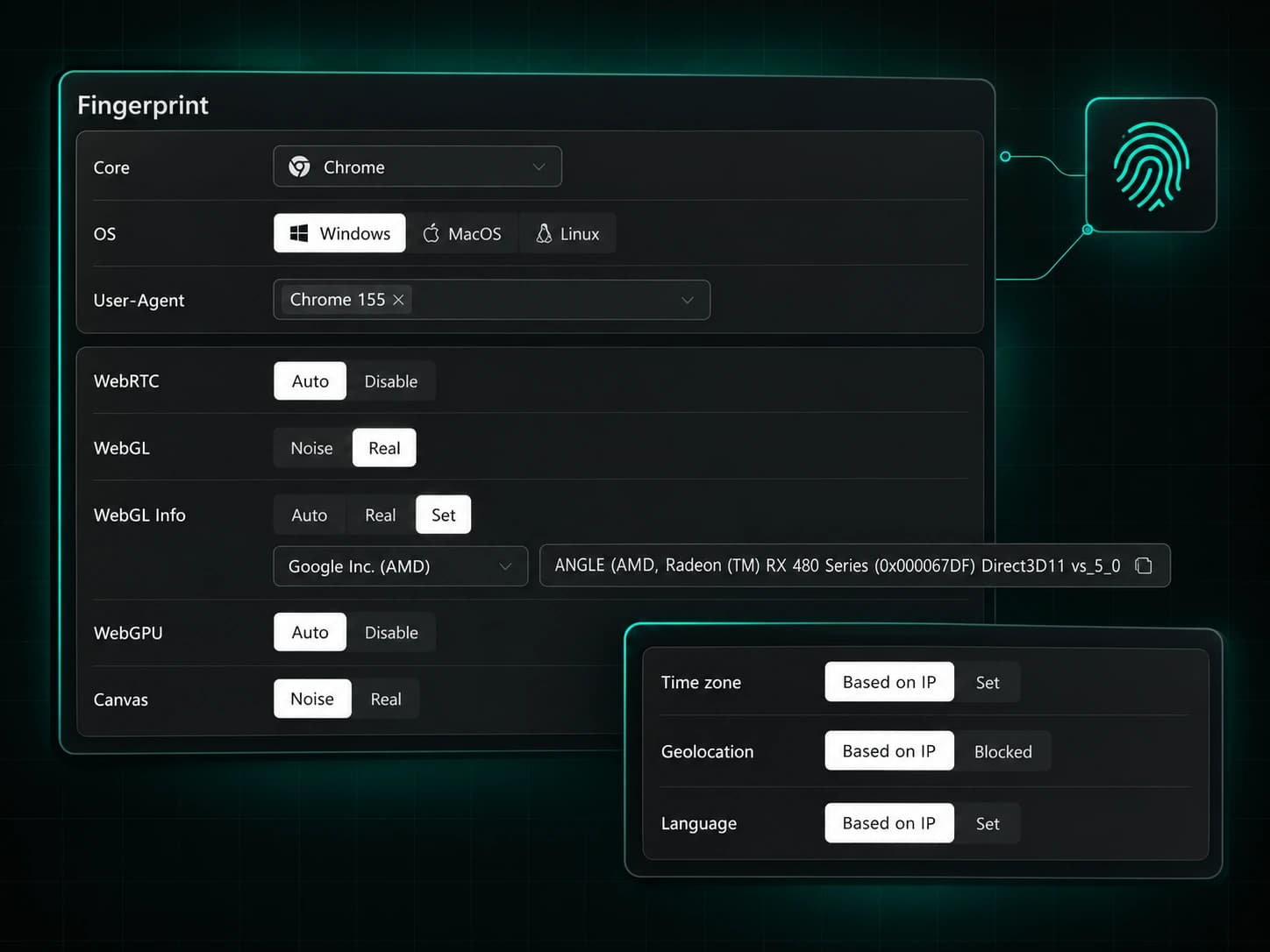
What a browser fingerprint is and why spoofing it matters
A browser fingerprint is the set of traits a website reads without ever asking you: operating system, screen, fonts, graphics card, the way the browser draws graphics, time zone and language. None of them means much alone, but together they recognise a device even after you clear cookies and change your IP. That is why an ordinary browser gives you away: however many accounts you open, the same computer stands behind them, and the site easily links them into a chain. Agent-X breaks that link – every profile gets its own believable fingerprint, its own storage and its own network, so to a website it is a different person at a different computer.
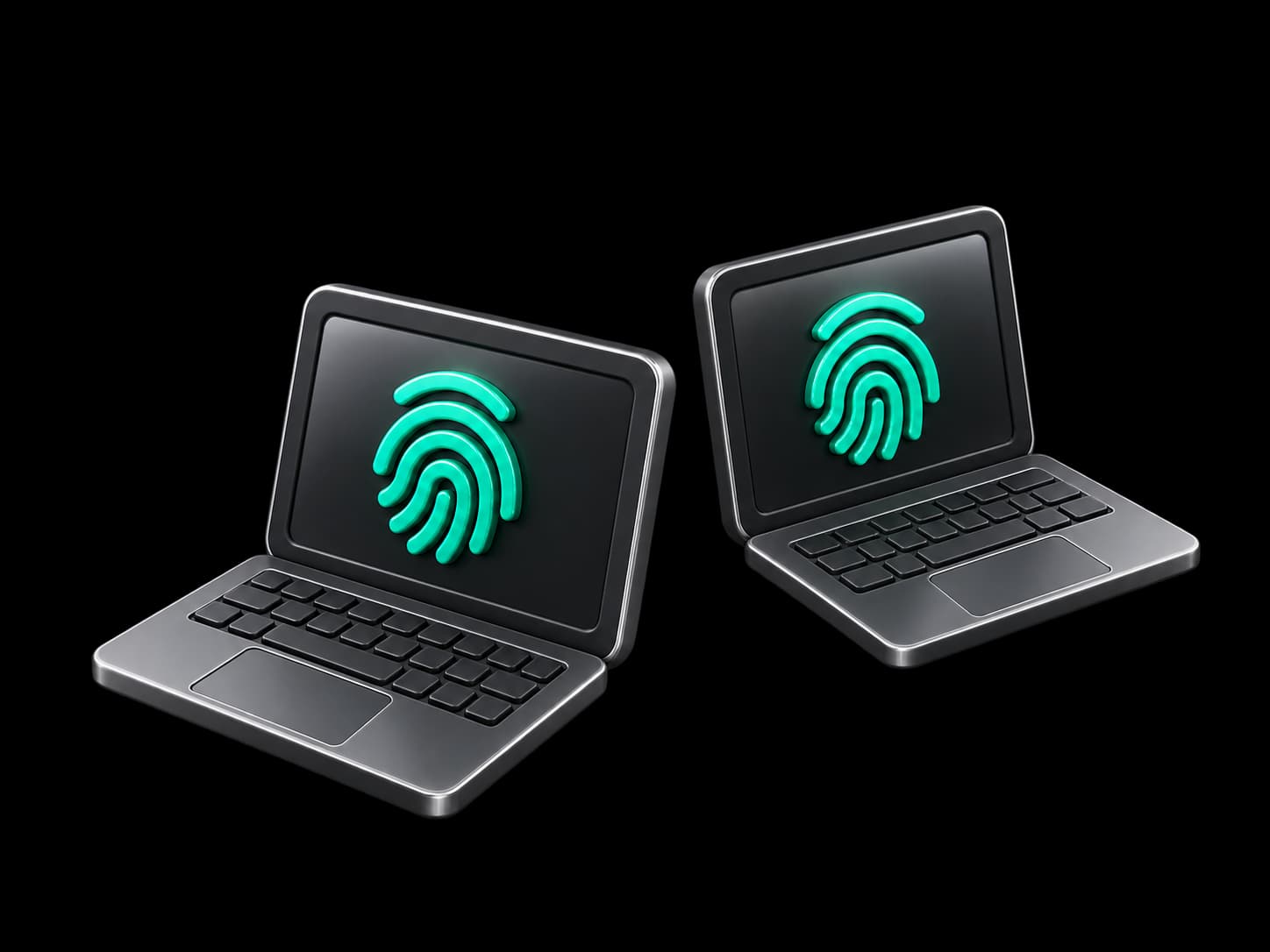
An invisible device passport
Websites build a portrait of your device from its graphics, hardware and settings, then compare it between visits.
One computer per profile
Cookies, storage, history and fingerprint of each profile live apart and never overlap with their neighbours.
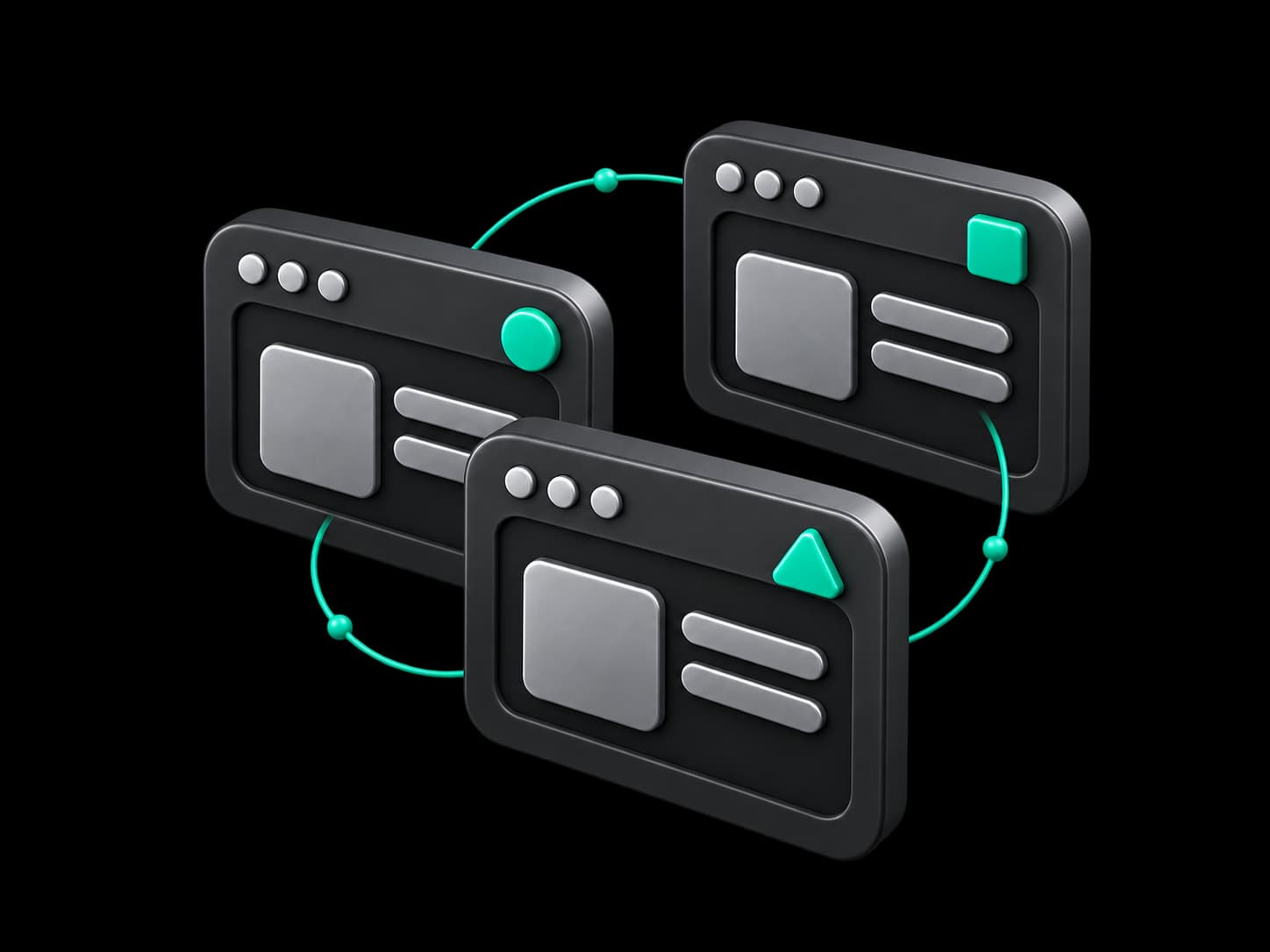
Multi-accounting with peace of mind
Accounts run side by side without leaving a shared trace that could tie them together.


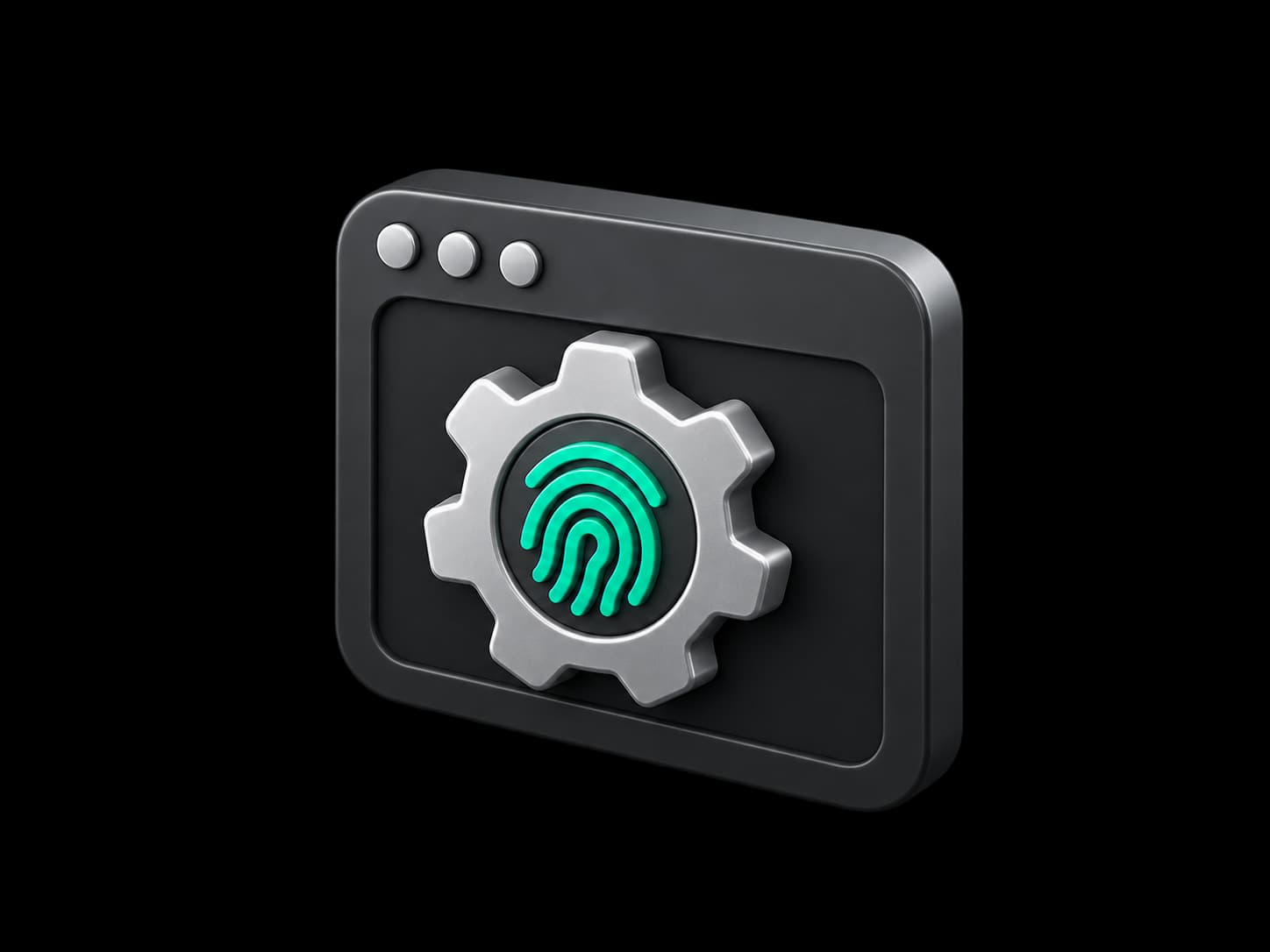
Agent-X Browser – a fingerprint browser built on Chromium
Many tools spoof fingerprints with extensions that rewrite values on the page itself, and websites know how to spot that. Agent-X took a different route: profiles open in its own Chromium-based browser, with the fingerprint built into the engine. To a website it is a regular Chrome with no sign of tampering.
Spoofing at engine level
No page injections and no extra scripts – values are born inside the browser, the way a real one produces them.
Automation without traces
When a script or the API drives a profile, the browser shows no signs of a bot, and the site sees a living person.
Order among windows
Each running profile carries an icon with its name, so the right window is found instantly even among dozens.

How Agent-X generates realistic browser fingerprints
Random values are the most common antidetect trap: a laptop graphics card, fonts from another system and server-sized memory. Website checks compare traits against each other and catch such mismatches in an instant. Agent-X builds each fingerprint from real Chrome configurations for the chosen system and aligns every detail with the rest.
Details that add up
Graphics card, CPU, memory and fonts are matched as if taken from one real device, down to the chip inside a Mac.
A fresh fingerprint anytime
If a profile has become too familiar, generate a new fingerprint for it, or refresh a whole selection of profiles together.
Your own defaults
Set your preferred fingerprint parameters in advance, and every new profile starts from them with no extra steps.

Canvas and WebGL fingerprint spoofing and more
Agent-X does not force a choice between spoofing everything and a completely untouched browser. Every trait is set separately in each profile – keep your computer's real value or show websites a generated one.
Canvas and WebGL
Each profile draws graphics in its own way, and the graphics vendor and model can stay real, be picked automatically or be set by you.
System, fonts and hardware
Windows, macOS or Linux with a believable CPU and memory, plus fonts that are either real or generated for the system.
Screen and WebRTC
Your real resolution, a ready template or a custom screen size, and WebRTC is tuned so it never reveals your real IP.


Match the fingerprint to the proxy IP automatically
A Berlin time zone on a Texas IP is a classic mistake that exposes a profile before it does anything on the site. Agent-X keeps it from happening: at launch it detects where the proxy exits and fills in the time zone, geolocation and language of that region on its own.
No proxy – your IP
When a profile runs without a proxy, the values come from your computer's IP, so the picture stays consistent anyway.
A check at every start
A profile opens with a check page that shows the IP websites see, WebRTC and DNS leaks, and whether the time zone matches.
Careful bulk launches
When opening many profiles in a row, Agent-X pauses between them and skips the ones whose proxy does not respond.

Cookies, extensions and bookmarks for every profile
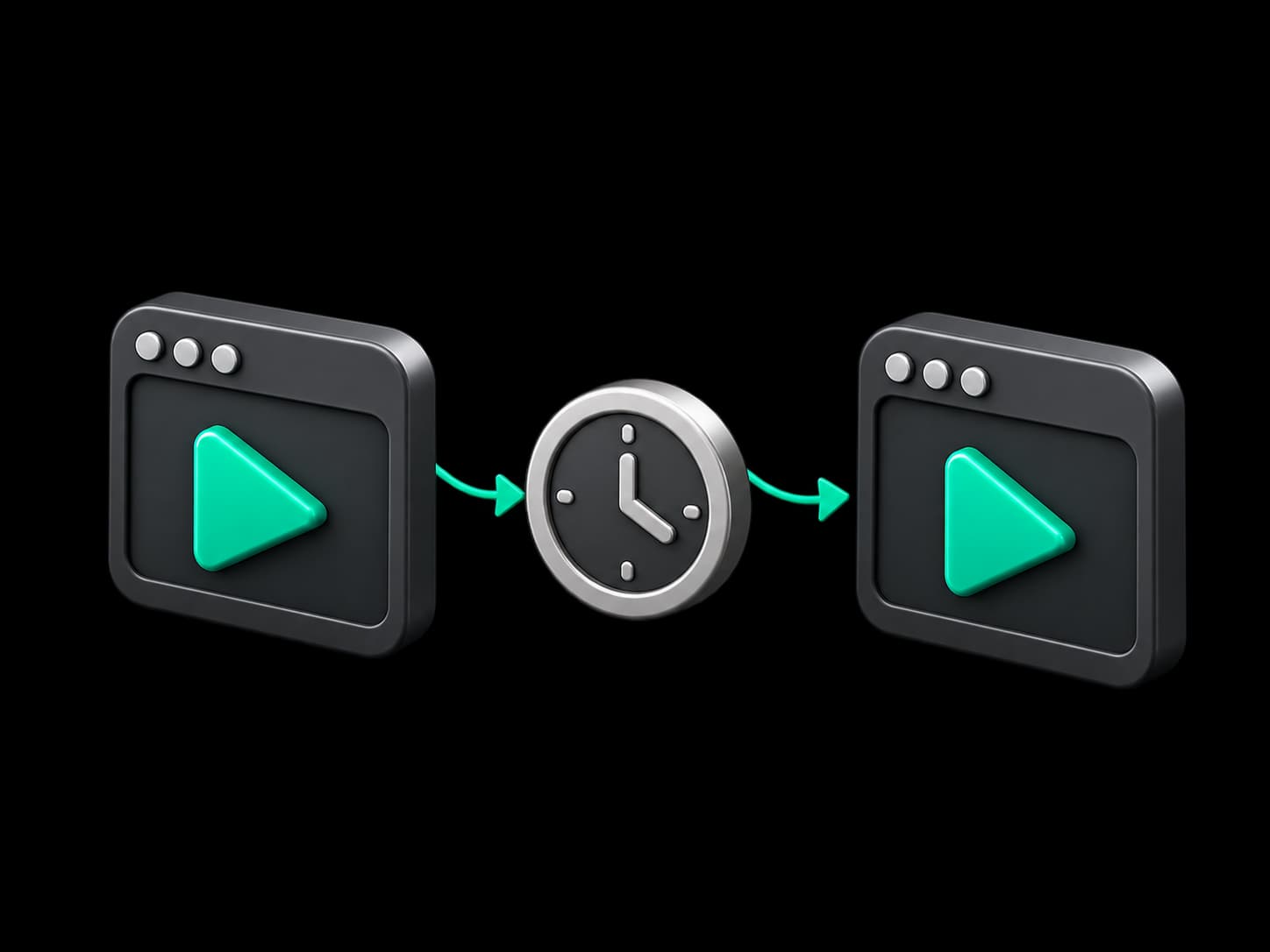
A new profile does not have to start from scratch. Bring in ready sessions, favourite extensions and bookmarks, and it immediately looks like a browser that has been in use for a long time.
Cookies per profile
Import cookies and the profile continues an existing session with no new login, while export works for one profile or a whole group.
Extensions for every profile
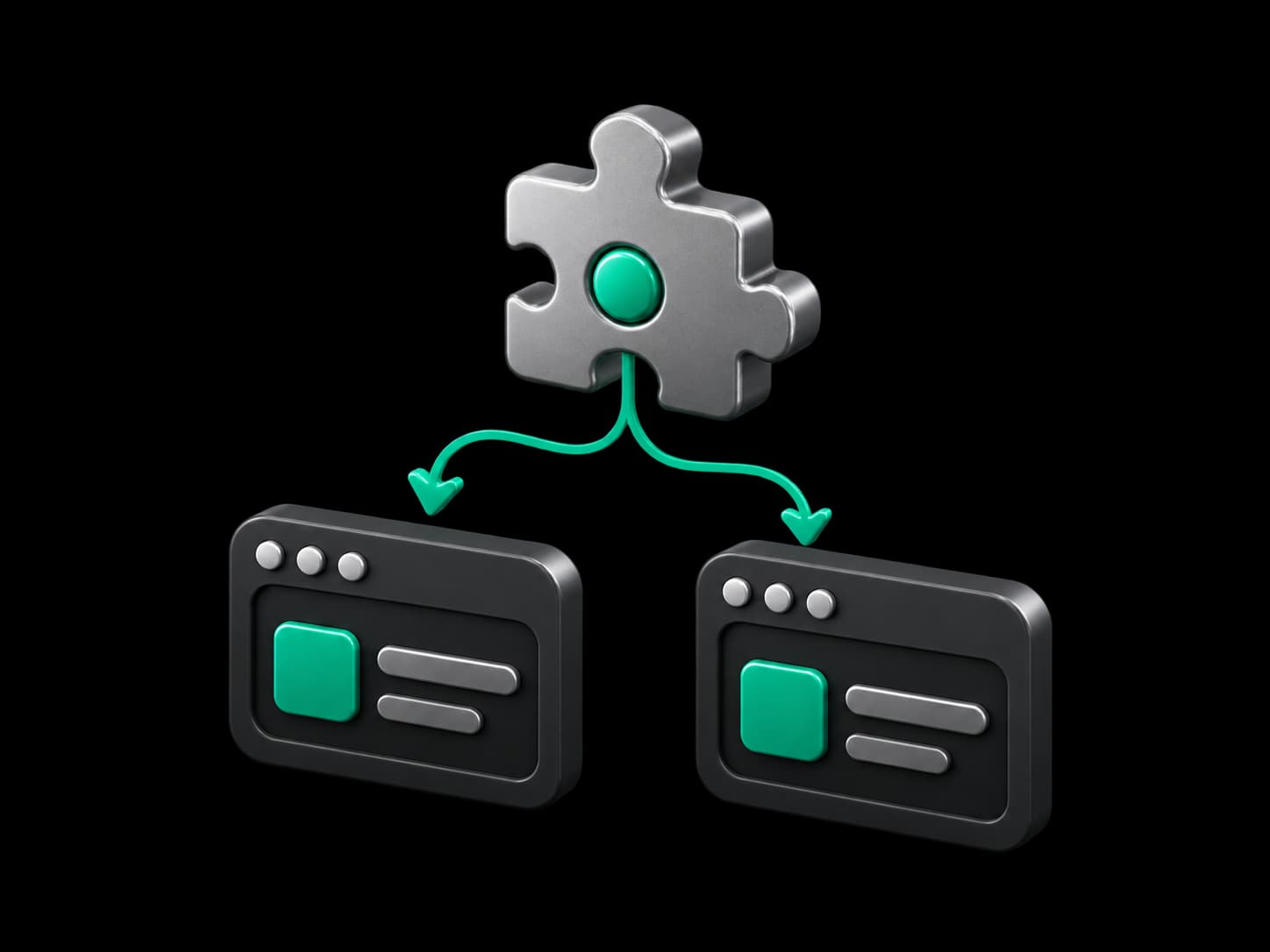
Add an extension from the Chrome Web Store once – it appears in every profile, and you can enable or pin it separately.
Shared bookmarks
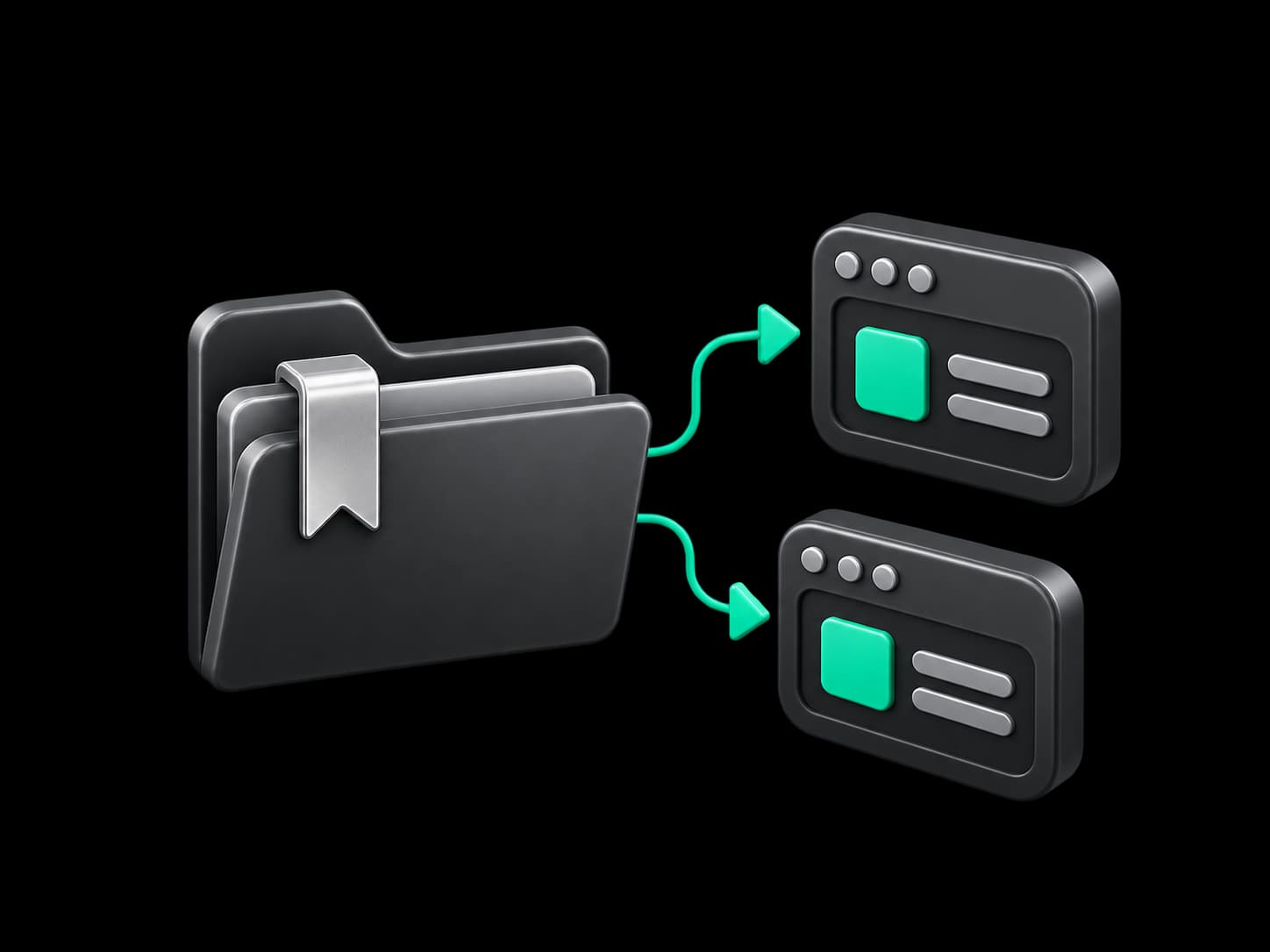
Sort bookmarks into folders and apply them to all profiles or only to the group that needs them.

Where realistic fingerprints pay off
Crypto airdrops
Each wallet lives in a profile with its own hardware, graphics and the time zone of its proxy, so a project sees separate participants rather than a farm.
Traffic arbitrage
Ad accounts get fingerprints for the system you need and pick up warmed-up sessions from imported cookies – fewer checks and fewer bans.
Social media accounts
Language, geolocation and clock of every account match the country of its proxy, so the account behaves like a local user.
E-commerce and QA
Sellers keep marketplace stores apart, and testers see a site through the eyes of Windows, macOS and Linux users with different screens and languages.
Frequently asked questions
What is a browser fingerprint?
It is the set of traits a website reads from your browser: system, screen, fonts, graphics, time zone and language. Together they recognise a device even without cookies, which is why every Agent-X profile has a fingerprint of its own.
Is Agent-X a fingerprint browser based on Chromium?
Yes. Profiles run in Agent-X Browser, our own Chromium-based browser, with the fingerprint built into the engine, so websites see a regular Chrome.
Can I keep my computer's real values?
Yes. Graphics, fonts, screen and other traits can stay real or be spoofed – separately for each profile.
How does the fingerprint match my proxy?
At launch Agent-X detects the proxy IP and fills in the time zone, geolocation and language of that region on its own. There is nothing to pick by hand.
How do I check my browser fingerprint?
Use the Agent-X fingerprint checker – it opens together with the profile and shows the IP websites see, WebRTC and DNS leaks and whether the time zone matches the IP.
Are fingerprints available on the free plan?
Yes. The free plan gives you 5 profiles forever, and each one gets a full fingerprint with every capability of the paid plans.
Every account – a separate person
Create your first profiles in Agent-X and see on the fingerprint checker that websites find a different computer behind each one. Five profiles free – forever.